
Skip to content

Month: August 2026

Do You Need a Permit to Remodel a Bathroom in Salt Lake City?

It’s best to consult your local building permits department in Utah before starting renovations, as this is where you will learn whether a permit is needed for your bathroom renovations. In general, permits are not needed for simple bathroom remodeling in Salt Lake City. For example, if you are only changing the look of the bathroom by replacing the cabinetry, and you aren’t making any changes to the plumbing or wiring, you likely won’t need a permit. However, if you are making changes that affect the plumbing or wiring, you will need a permit.

Here is some information if you are remodeling in major cities in Utah.

What Normally Requires a Permit?

In Utah, a permit is required for projects that include any of the following:

  • Relocating or adding plumbing fixtures (including toilets, sinks, and showers)
  • Any electrical work aside from equivalent fixture replacements
  • Removing or moving walls, including any changes to load-bearing walls
  • Installation of an exhaust fan that has an outside exhaust
  • Adding a window or changing the size of a window

If you are doing purely cosmetic work, such as painting, swapping a vanity for a new one in the same location, or swapping a faucet, you typically don’t need a permit.

City-by-City Breakdown

In Salt Lake City, a permit is required for all bathroom renovations involving plumbing, electrical work, or changes to the layout of the space. Salt Lake City offers an online permit application; however, the extensive review process means you should expect to wait 2 to 4 weeks to receive your permit. Unpermitted work may be uncovered during a sale and pose a problem for the homeowner.

Provo requires all renovations to comply with Utah Title 15A codes and requires an online application. In Provo, extensive renovations may require engineered plans and an Energy Code analysis. Historic properties in Provo require approval by the Landmarks Commission before a permit can be issued.

St. George is one of the most common places where homeowners mistakenly believe permits are not required for interior tiling work. Permits are needed for interior tiling work if the tiling is part of a larger project that requires alterations to a building’s structure or plumbing. St. George and Washington County strictly enforce this.

Washington City (St. George neighbor) has one of the toughest positions in the region. Like nearby Hurricane, Washington City requires an official submission for review of any planned fixture relocation work. There are no same-day, over-the-counter permits. A Washington City permit process requires a minimum of two weeks. GFCI/AFCI electrical compliance is mandatory.

Ogden and the Salt Lake County area have similar rules. Permits are required for all structural, electrical, and plumbing work. Minor permits in Salt Lake County take less than a week to clear. A typical full bathroom remodel takes 2-4 weeks.

What is the Result of Skipping the Permit?

While there is always a cost associated with permits, the bigger issue is the practical ramifications of skipping permits. It is possible to have safety issues with your work that will be obvious to an inspector. Bathroom remodeling in Salt Lake City without permits poses a safety risk, requires the work to be redone in the future, and may delay the sale of your home.

Advice for Homeowners Before the Work Begins

  1. Contact your building department first. Permit requirements are different between cities. What you may be able to do in one city may require a full plan review in another.
  2. Apply early. Salt Lake City, Draper, and Park City all have lengthy approval processes. It is a mistake to start work too soon.
  3. Hire a licensed contractor. Experienced contractors who perform bath remodels in Utah handle the permits for you. This will save you time and may help you avoid a ‘red tag’.

The probability of your bathroom remodel failing is low, but Utah chooses to err on the side of caution to ensure you do not lose any value in your investment.
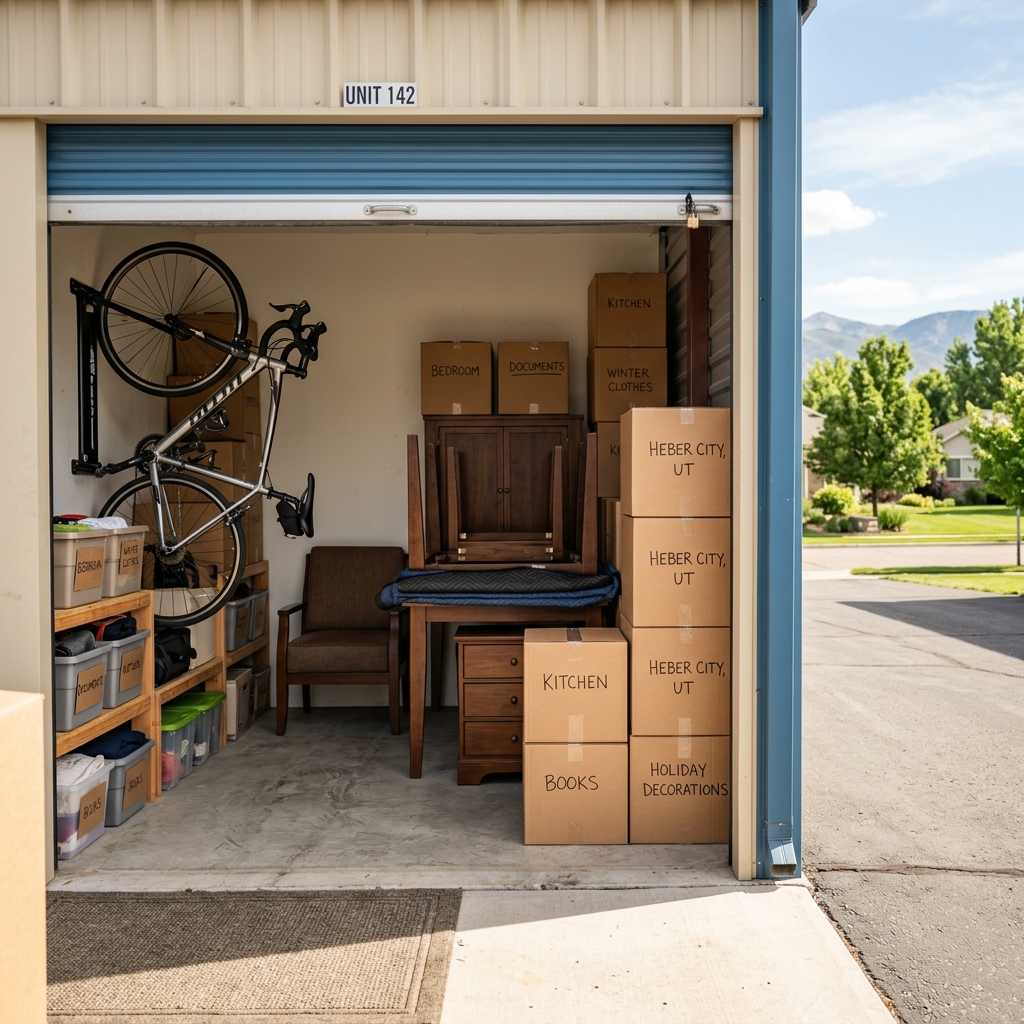
What Does Storage Unit Insurance Cover and Do You Need It?

Leveraging a storage unit to save space might be the easiest decision you make. However, figuring out how best to protect your goods is, without a doubt, the hardest part. Many self-storage facilities in Heber require insurance before you get a lease, and they have their reasons. They might have security in place to protect the storage facility, but that does not protect your belongings. If a neighboring unit catches fire or if a pipe bursts, you’re stuck with the cost unless you have a policy.

What Does Storage Unit Insurance Cover?

Storage unit insurance, or tenant insurance, covers the cost of your belongings that must be replaced or repaired in the event that they are covered by the policy. Most of these policies are “named peril” policies. This means the policy covers a specific, named risk. These policies usually contain coverage for the following:

  • Fire and Smoke Damage – Protection if a fire starts in or around the facility.
  • Theft and Burglary – Generally require proof of forced entry to your unit.
  • Vandalism – Intentional damage inflicted by someone other than the unit owner.
  • Water Damage from Leaks – Usually from a burst pipe, though gradual leaks are commonly excluded.
  • Building Collapse and Windstorm – Coverage starts if these events damage the property.

Policies may also cover damage caused by pests or rodents, but there are often sub-limits. Your belongings deserve insurance, especially when storing furniture, tools, or seasonal items.

What It Doesn’t Cover

Exclusions surprise renters even at some of the best self-storage in Heber. Separate riders are required for flooding and earthquakes. Most of the time, coverage for vehicles stored in a unit requires an auto insurance policy. Mold and damage from normal use or bad packing are almost never covered. Expensive items like jewelry and art often have a low coverage limit per item. Anything valuable should be kept somewhere other than a storage unit or should have a scheduled rider.

Doesn’t My Homeowners or Renters Insurance Cover This?

Usually, homeowners’ and renters’ insurance fills some of this gap, but not completely. Off-premises coverage is included in most homeowners and renters insurance policies and covers belongings kept away from your residence, but usually only up to about 10% of your policy limit. Items stored in self-storage in Heber may be covered for only $3,000 if your policy covers $30,000 in belongings and your deductible applies to this gap. This is the reason why storage insurance exists.

Before assuming your policy will cover your storage needs, check your off-premises limit, your deductible, and check for sub-limits for categories like electronics or firearms.

So, Do You Actually Need It?

In most situations, yes, and it is even required to rent a storage unit in Heber. Most storage facilities will not allow you to rent a unit without providing proof of insurance. Even when this coverage is a requirement, the math is on your side. Standalone storage insurance plans are inexpensive, many offer no deductibles, and require coverage for the specific risks a storage unit faces.

The easiest way to figure out whether you need to rent self-storage in Heber is to add up everything you plan to store and calculate the total value. If that amount exceeds the limit of your insurance, you need to purchase storage insurance. If that value is less and you already have insurance, you may just need to purchase the minimum plan the storage facility offers.

The Bottom Line

Storage unit insurance is not a waste of time and is actually very useful in a number of unfortunate situations, such as a fire, a theft, or water damage. Before selecting a self-storage facility in Heber, check its insurance coverage, especially the plans it offers. Lastly, take pictures of everything that goes into the storage facility. This insurance survey takes only a few minutes and can save you a lot of money later. This is one of the primary reasons people use self-storage in Heber to add a layer of protection for their belongings.